Meaningful Activities and Engagement for People Living With Dementia: The Complete Family Guide
Published on June 2, 2026

When a family is navigating dementia, the calendar fills up with the urgent things: medications, appointments, safety, the search for the right care. What quietly slips away is the question of what fills the hours in between. Yet for a person living with dementia, those hours matter enormously. The right activity at the right moment can lift a mood, ease agitation, and restore a flicker of the person you remember. Engagement is not filler. It is one of the most powerful tools a family has, and it stays useful at every stage, even when words and memory have largely gone.
Activities as medicine, not just a way to pass time
The behavioral and psychological symptoms of dementia, the agitation, restlessness, anxiety, and wandering that families find so hard, are often the brain’s way of signaling an unmet need: boredom, loneliness, discomfort, or too little (or too much) stimulation. Reaching for medication first is tempting, but the evidence increasingly points the other way. Meaningful activity is a genuine non-pharmacological intervention, and a well-chosen one can reduce difficult behaviors without the sedation and fall risk that antipsychotics carry.
The Alzheimer’s Association notes that activities matched to a person’s ability can ease behaviors like wandering and agitation while improving quality of life. Music is the clearest example. Studies show familiar music can lower agitation and soothe behavioral symptoms in the middle stages, and even in late-stage dementia a person may still tap a beat or sing the words to a song from childhood.
A few principles that make any activity work
Before the menu of ideas, a handful of principles matter more than any single activity.
First, focus on enjoyment, not achievement. The goal is connection and pleasure in the moment, not a finished product or a correct answer. As the Alzheimer’s Association puts it, it does not matter if the activity needs to be done, or if it is done well.
Second, keep it adult. Activities should never feel childish or demeaning. An amateur painter can delight in self-expression where a former professional might feel only frustration, so meet the person’s current abilities with respect.
Third, take your cue from the person. Notice what they have always loved, what they can still do, and what mood they are in today, then offer rather than insist. The same patient communication habits that keep a loved one connected apply here: join their reality instead of correcting it.
Finally, keep sessions short, calm, and failure-free. Reduce noise and clutter, offer one simple step at a time, and be ready to set something aside and try again later if it does not land.
The activity menu, from music to the garden
Think of the following as a pantry to draw from, not a checklist. Rotate through them and lean on whatever brings the most ease on a given day.
Music
Music reaches the brain along pathways that dementia spares the longest. Build a playlist of songs from the person’s teens and twenties, the years that imprint most deeply. Let them choose when they can, skip anything with commercial interruptions that cause confusion, and use tempo to set a mood: something gentle to calm an anxious afternoon, something livelier to brighten a flat morning. Encourage clapping or swaying, and keep the volume comfortable so the music soothes rather than overwhelms.
Art and creativity
Painting, coloring, simple collage, or working with clay all offer self-expression when words are hard, and a finished piece brings a real sense of accomplishment. Keep the materials adult and non-toxic, help start the first brushstroke if needed, and talk about the colors and shapes as you go. The point is the doing, not the result.

Reminiscence
Long-term memory often stays vivid long after recent memory fades, which makes looking back a reliable source of joy. Old photo albums, familiar music, a box of meaningful objects, or simply asking about a wedding day or a first job can spark stories and lift mood. Follow the feeling rather than the facts; the warmth of the memory matters far more than getting every detail right.
Everyday tasks with a purpose
Some of the most grounding activities are not crafts at all but ordinary tasks that carry a sense of usefulness. Folding towels, sorting socks by color, setting the table, winding yarn, or sweeping the porch all tap into lifelong habits and offer the dignity of contributing. Tie the task to the person’s past work when you can; someone who kept books might enjoy sorting coins.
Gardening and the outdoors
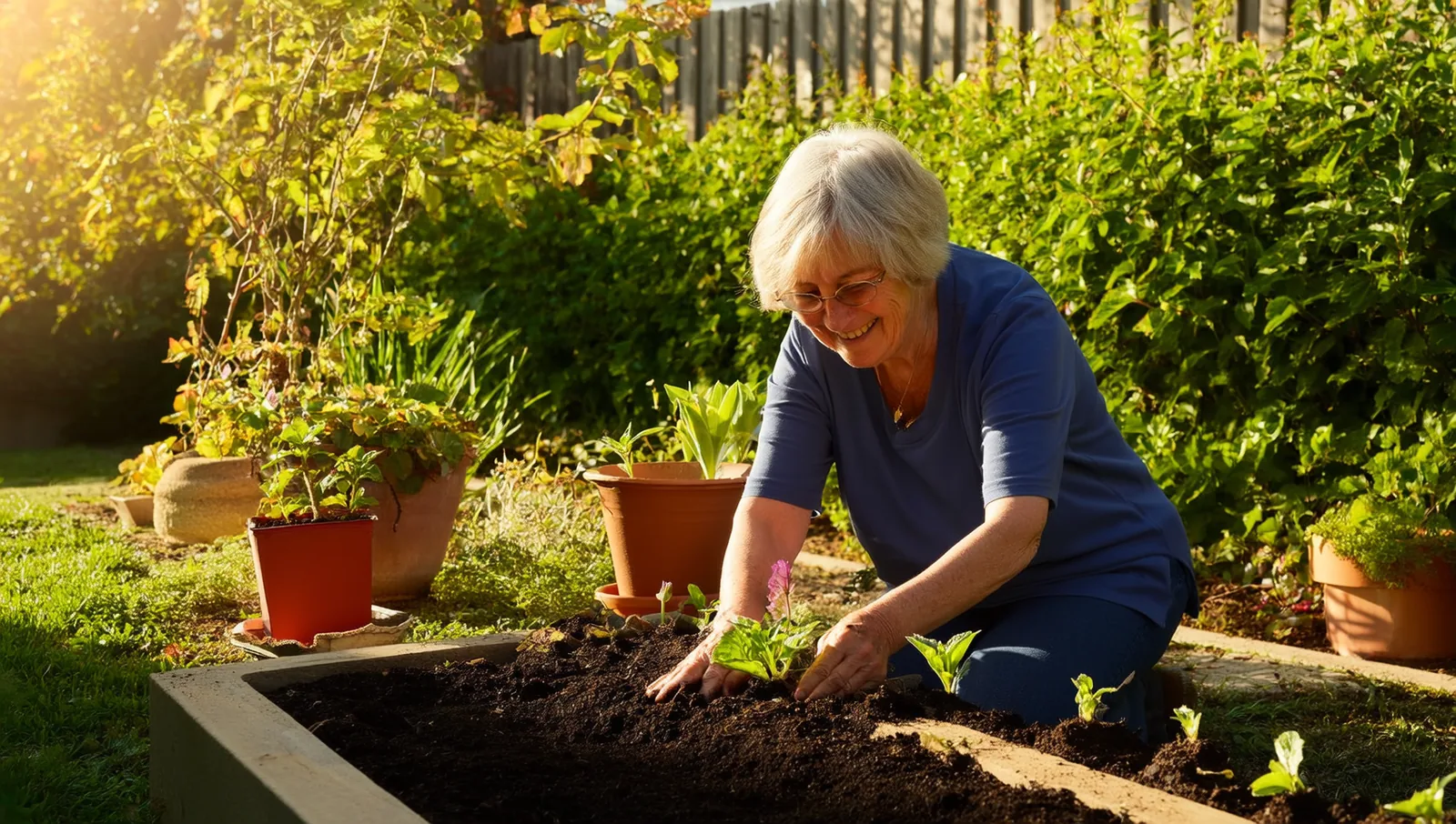
Time outside is restorative in its own right. Planting flowers, watering pots, feeding the birds, raking leaves, or simply sitting on a bench in the sun combine gentle movement, fresh air, and sensory pleasure in one. A raised bed or a few containers on a patio keeps it manageable, and even watching the garden from a comfortable chair counts.
Gentle movement
Movement steadies mood, supports sleep, and burns off the restless energy that can build into agitation. A slow walk, chair exercises, stretching, tossing a balloon back and forth, or dancing to a favorite song all work, scaled to whatever the person can manage safely. The aim is enjoyment and rhythm, not exertion.
Sensory comfort
As language recedes, the senses become a primary way in. A hand massage with scented lotion, a basket of different fabrics to touch, baking so the kitchen fills with a familiar smell, a warm blanket, or a tank of fish to watch can all calm and engage. These approaches are especially valuable in the later stages, and they work best in a room thoughtfully set up for memory care, where lighting and noise are kept gentle.
Simple games and puzzles
In the earlier stages, the brain still loves a gentle challenge, and keeping it engaged builds the cognitive reserve that helps protect long-term brain health. Large-piece jigsaw puzzles, card games, dominoes, word games, and trivia about familiar topics all fit. Choose a level that is fun rather than frustrating, and quietly step the difficulty down as abilities change.
Doing it together: grandchildren and visitors
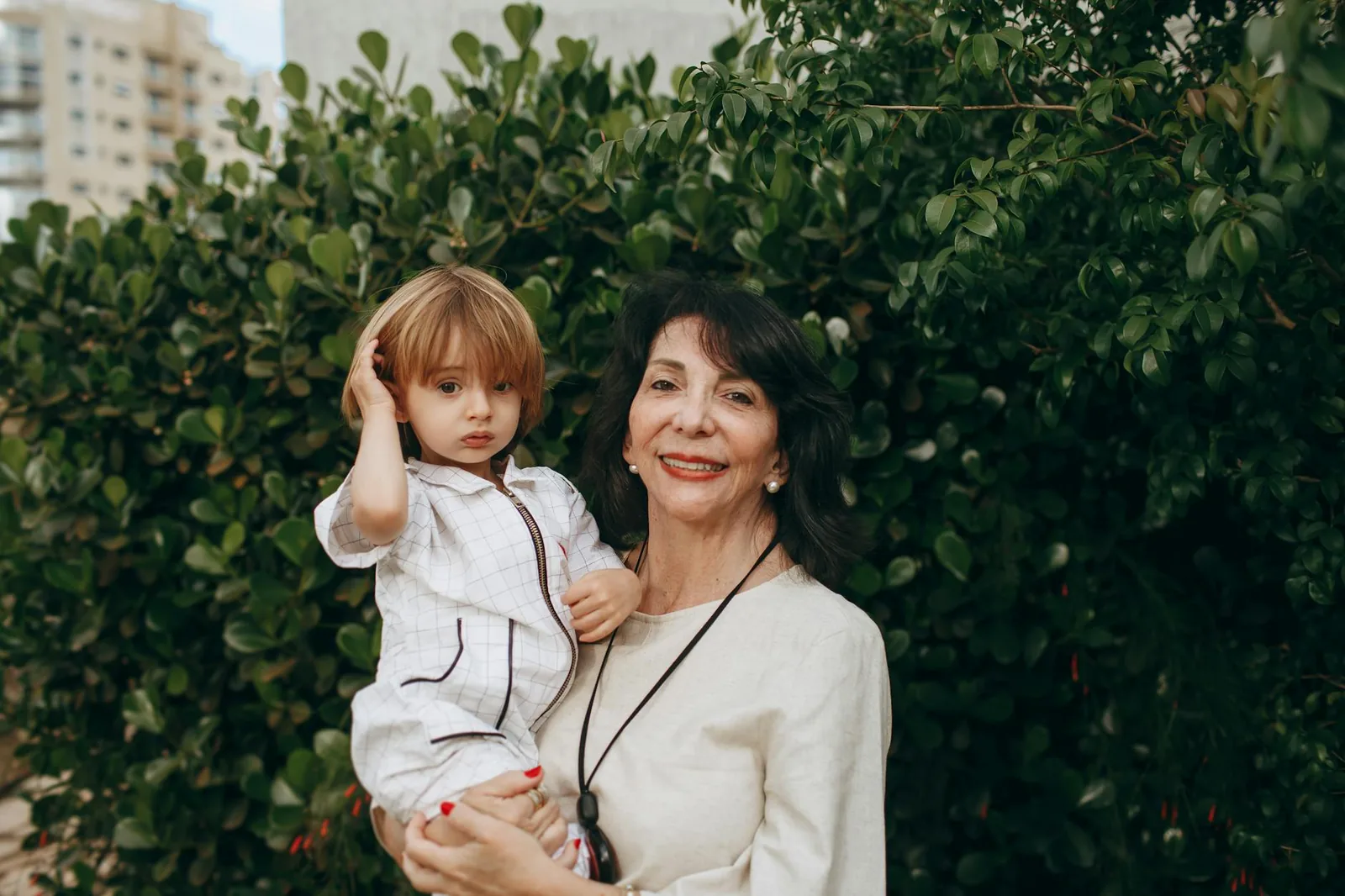
Some of the most meaningful moments come from sharing an activity across generations. Children and grandchildren can bake cookies, look through photos, sing, do a puzzle, plant seeds, or just sit and chat, and the visit is good for everyone. Prepare younger visitors gently. Explain that grandma may repeat herself or forget names, that it is nobody’s fault, and that a smile and a calm voice matter more than a perfect conversation. Take your cue from the person living with dementia, keep visits short if energy runs low, and always think about safety first.
Matching activities to the stage
What works shifts as the disease progresses, so the goal is to adapt the activity rather than abandon it.
In the early stage, lean into challenge and independence: hobbies the person already loves, puzzles and games, classes, gardening, travel, and social outings. As some settings start to feel overwhelming, adjust rather than drop them, trading a large gathering for a smaller one.
In the middle stage, simplify. Break activities into single steps, offer more hands-on help, and shift toward music, art, folding and sorting, short walks, and sensory experiences. This is when agitation often peaks, and a well-timed activity can head off a difficult afternoon.
In the late stage, the focus moves to comfort and the senses. Soft music, a gentle hand massage, familiar smells, time near a sunny window, or a loved one’s calm voice can bring connection when words are gone. Presence itself becomes the activity.
New tools: virtual reality and the later stages
Technology is opening new doors, especially for people who can no longer get out into the world. Researchers are testing immersive virtual reality systems that combine calming virtual trips, memory games, and a voice-controlled assistant tailored to the individual. In an early 2025 study, participants with Alzheimer’s and dementia who used such a system reported more interest and enjoyment, a better quality of life, less sense of isolation, and gains in cognitive function. The technology is still emerging and far from standard, but it hints at a future where a person in the later stages might walk a familiar beach or revisit a childhood town without leaving a safe chair. For now, treat it as a promising complement to, not a replacement for, the hands-on activities above.
A simple playbook for activities at home
You do not need special training or a packed schedule to do this well. A few practical habits make at-home sessions far more likely to succeed.
- Follow the person’s clock. Offer stimulating activities when they are at their best, often mid-morning, and keep evenings calm to ease sundowning.
- Set the scene. Clear the table, turn off the television, and lower background noise so the activity has the person’s full attention.
- Keep it short. Ten to thirty minutes is plenty. Stop while it is still going well rather than pushing to the point of fatigue.
- Offer, do not test. Introduce the activity by starting it alongside them, and avoid questions that put memory on the spot.
- Let go of the outcome. If it flops, that is fine. Set it aside warmly and try again later or tomorrow.
This kind of intentional engagement fits naturally alongside the broader day-to-day strategies for living with memory loss that keep daily life steady.
When to bring in extra help
If planning activities on top of everything else feels like too much, you are not failing; you are carrying a heavy load. Occupational therapists can suggest activities matched to your loved one’s abilities, adult day programs offer structured engagement and a welcome break for caregivers, and good memory care communities build their days around life-enrichment programming. If you are weighing a move, ask to see the activities calendar and watch a session when you tour a memory care community; the quality of daily engagement tells you as much about a place as any brochure. A geriatric care manager or social worker can help you match the level of support to where your family is now.
Above all, be gentle with yourself and with the person you love. There will be days when nothing seems to work, and days when a single song brings them back to you for a few minutes. Both are part of this. The aim is not a perfect activity program but a steady thread of small, meaningful moments that say, in a language deeper than memory, you still matter and you are not alone.
Sources
- Alzheimer’s Association on choosing and adapting activities as dementia progresses
- Alzheimer’s Association for the way music and art reach people with dementia
- Alzheimer’s Association with activities that families and grandchildren can share
- Alzheimer’s Association via keeping the mind challenged and building cognitive reserve
- Scientific Reports covering an immersive virtual reality system tested with dementia patients
Further reading
- Memory Management Techniques for Families Dealing with Dementia
- Communicating With a Loved One Who Has Dementia: A Complete Caregiver’s Guide
- Designing a Comfortable Room for Memory Care: Key Considerations
- Brain Health and Dementia Prevention: A Family’s Complete Lifestyle Guide
- Choosing the Right Memory Care Facility: Key Questions to Ask