In-Home Memory Care: When to Consider It and How to Get Started
Published on May 11, 2026

Keeping a Loved One at Home
When a family member is diagnosed with Alzheimer’s disease or another form of dementia, the first question is rarely “which facility?” It is usually “can we keep them at home?” That instinct is a good one. A familiar house, familiar routines, and familiar faces are stabilizing for someone whose memory is fading, and many people in the early and middle stages of dementia do well at home with the right support in place. In-home memory care is a real option, not a fallback, and for a lot of families it is the right one for years before any other move is on the table.
This guide walks through when in-home care makes sense, how to find and hire a qualified caregiver, what it costs and who pays, and the signals that tell you a transition to a memory care community may be coming. Throughout, treat it as a starting framework rather than a substitute for a professional assessment. A geriatric care manager or a hospital social worker can evaluate your specific situation and help you build a plan, and that step is worth taking early.
When In-Home Memory Care Is a Good Fit
In-home care tends to work best when several things are true at once:
- The person is in the early to moderate stages of dementia and still recognizes their home and the people in it.
- Their behaviors, even when challenging, are manageable in a home setting, and they are not routinely trying to leave the house or putting themselves in danger.
- The home itself can be made reasonably safe, or adapted to become so.
- There is a primary family caregiver, or a small group sharing the role, who can coordinate care and be present for part of the week.
- Paid help is available locally and the budget can sustain the hours that are actually needed.
If most of those boxes check, home care can preserve quality of life and dignity in a way few other arrangements match. It also buys time. Adult day programs, in particular, have been associated with people maintaining cognition and daily function longer, and a few days a week at a day center pairs well with family care and a part-time aide at home.
What In-Home Memory Care Actually Includes
“In-home care” is an umbrella term covering several distinct levels of help, and most families end up combining them:
- Companion care. Supervision, conversation, and help with errands or light activities. This is the lightest touch and the least expensive, suited to early-stage dementia when the main need is someone present so the person is not alone.
- Personal care and home health aide services. Hands-on help with bathing, dressing, toileting, grooming, mobility, and exercise. This is the workhorse of dementia home care and usually the level families need as the disease progresses.
- Homemaker services. Laundry, light housekeeping, grocery shopping, and meal preparation. Often bundled with personal care.
- Skilled nursing. A licensed nurse for medication management, wound care, or other medical tasks. Usually intermittent rather than around the clock.
Layered on top of in-home help, an adult day center gives the person structured activity, music and art programming, meals, and social contact with others in a safe setting, while the family caregiver works, rests, or runs the household. Many communities also offer respite care, where a trained substitute steps in for a few hours, a weekend, or longer so the primary caregiver can recharge. Respite is not a luxury. It is one of the things that keeps home care sustainable.
How to Hire a Qualified Memory Caregiver
There are two routes: hire through a home care agency, or hire someone independently. An agency handles screening, background checks, payroll, taxes, training, and finding a replacement when your caregiver is sick. You pay more per hour for that, but you offload a lot of administrative and legal burden. Hiring independently costs less and can give you more say over who walks through the door, but you become the employer, with the vetting, scheduling, and tax responsibilities that come with it. Neither choice is wrong; be honest about how much of that load you can carry.
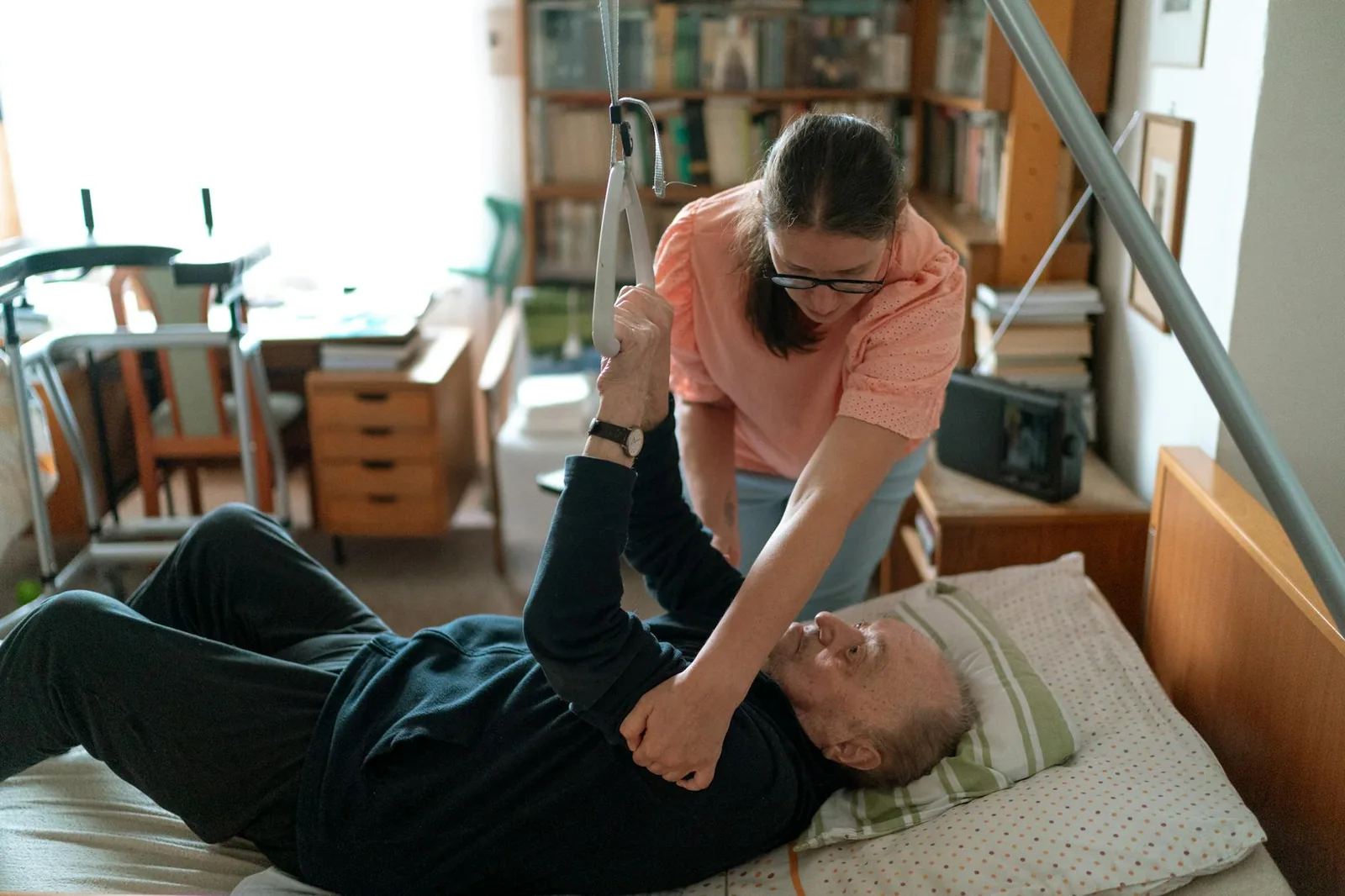
Whichever route you take, the screening should be the same:
- Dementia-specific training. General caregiving experience is not enough. Ask what dementia training the person or agency provides, how recent it is, and whether it covers communication techniques, redirection, and de-escalating agitation. Ask directly how the caregiver would handle someone who becomes aggressive or refuses care. The answer should be about patience and approach, not medication.
- References and background checks. Call references and ask specifically about reliability and about dementia clients. If you hire independently, run a background check yourself; an agency should do this as a matter of course and be willing to show you their policy.
- A working interview. Have the candidate meet your loved one before committing. Watch how they introduce themselves, whether they make eye contact, whether they speak to the person rather than over them. A short trial shift tells you more than any resume.
- Consistency. Whenever possible, arrange for the same caregiver or a small consistent rotation rather than a rotating cast. Familiarity reduces confusion and builds the trust that makes care possible.
Write down a simple care plan together: daily routine, food preferences, what calms the person, warning signs, medications, and emergency contacts. Keep that information somewhere accessible and update it as things change. If you build a larger team of family, friends, and paid help, a shared online care calendar keeps everyone coordinated.
Adapting the home matters too. Many of the same principles that make a memory care room work, such as good lighting, clear contrast, reduced clutter, removed trip hazards, and secured medications, apply directly to a bedroom or house at home. Pair those changes with the routines and communication strategies families use day to day, and the home becomes a setting where a paid caregiver can do their best work.
What It Costs and How Families Pay
In-home care is billed by the hour, and rates vary by region, but many families pay roughly thirty to forty dollars an hour for an aide. At forty hours a week, that is somewhere around sixty thousand to eighty thousand dollars a year, and full-time coverage runs well beyond that. For comparison, the average memory care community in the United States runs about eighty-four hundred dollars a month, more than assisted living and less than a nursing home. Home care can be cheaper when the hours are modest, and more expensive once you need near-constant coverage. That crossover point is worth doing the math on honestly.
On who pays: Medicare generally does not cover personal care or custodial home care, though it will cover medically necessary skilled services for a limited time. Medicaid may help in many states through waiver programs that fund care at home, but eligibility is strict and the rules vary from state to state. Long-term care insurance, if it was purchased earlier, often covers in-home care; check the policy. Veterans and surviving spouses may qualify for benefits that help with the cost. Beyond that, most families pay out of pocket, sometimes drawing on savings, home equity, or the living benefits of a life insurance policy.
Because the financial and legal pieces get complicated quickly, especially anything involving Medicaid eligibility or protecting assets, talk to an elder law attorney or a certified financial planner before you make big moves. Planning ahead almost always leaves more options open than scrambling during a crisis.
Signs It May Be Time for a Memory Care Community
In-home care is not forever for most families. Dementia is progressive, and there usually comes a point where home is no longer the safest or most sustainable place. Watch for these signals:
- The person is becoming unsafe at home: wandering, leaving the stove on, falling, getting lost.
- Care needs have outgrown what you can physically manage, including transfers, incontinence, or round-the-clock supervision.
- The behavioral and psychological symptoms of dementia have escalated beyond what a home setting can absorb.
- Your own health is suffering. You are exhausted, irritable, isolated, or neglecting work and family, and the support you can bring in is not enough to change that.
- Even with paid help, someone needs to be awake and available at all hours, and that level of staffing at home costs more than a community would.
None of these means you have failed. They mean the disease has changed, and the care plan needs to change with it. When that time comes, knowing which questions to ask when you tour memory care communities will help you choose well. And again, a geriatric care manager or social worker can help you read the situation clearly and time the move so it happens on your terms rather than in an emergency room.
Getting Started
If in-home memory care looks like the right next step, here is a sensible order of operations. Get a professional assessment of your loved one’s needs and your own capacity. Use the Alzheimer’s Association’s Community Resource Finder to locate home care agencies, adult day programs, and respite services in your area. Decide between an agency and an independent hire based on the load you can realistically carry. Interview carefully, insist on dementia training and references, and do a trial shift. Start with the hours you need now, not the hours you might need in a year, and build from there. Set up respite from the beginning so it is in place before you are running on empty. And keep the lines open with a care manager or social worker so you are not making the next decision alone.
Home can be a wonderful place to weather a great deal of this journey. With clear eyes about what it takes, the right help, and a plan that flexes as things change, in-home memory care gives many families months or years of stability that are worth every bit of the effort.
Sources
- AARP on what caregivers should know about memory care, costs, and home-based alternatives
- National Institute on Aging on getting help with dementia caregiving at home
- Alzheimer’s Association for the types of respite and in-home care services available to families
- Verywell Health on signs that at-home care is needed for someone with dementia
- WorldHealth.net with a breakdown of the hidden long-term costs of Alzheimer’s care, including hourly home-aide rates