Choosing the Right Memory Care Facility: Key Questions to Ask
Published on February 1, 2025

Why the Right Facility Matters
Selecting a memory care community for a loved one with Alzheimer’s disease or another form of dementia is one of the most consequential decisions a family will make. Unlike standard assisted living, memory care provides a specialized environment built around the unique behavioral, cognitive, and safety needs of people living with progressive memory loss. The difference between a well-run memory care program and an inadequate one can profoundly affect a resident’s daily experience, emotional state, and rate of decline. Arriving at a tour with the right questions helps families cut through marketing language and evaluate what truly matters.
Assessing Staff Training and Ratios
The quality of care in any memory care community begins with the people delivering it. All staff members, not just nurses, should receive ongoing, dementia-specific training that covers communication techniques, behavioral management, de-escalation strategies, and the progression of various forms of dementia. Families should ask how often this training occurs, what certification programs are used, and whether staff are equipped to handle challenging behaviors such as aggression, wandering, and sundowning.
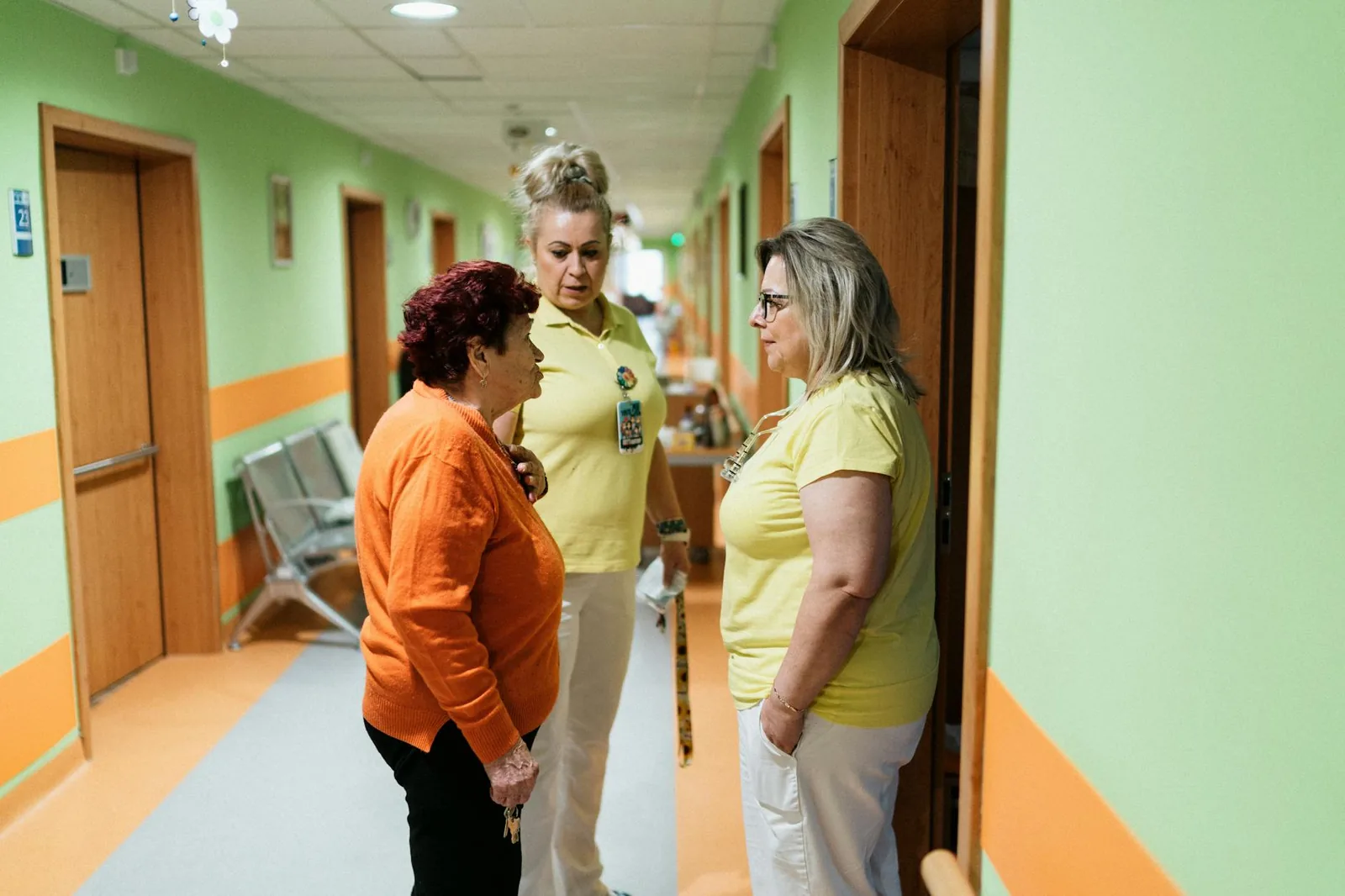
Staffing ratios are equally critical. Memory care communities typically maintain lower resident-to-staff ratios than standard assisted living, often around one caregiver for every five or six residents, compared to one for every twelve to fifteen in traditional settings. Families should ask about ratios during all shifts, including nights and weekends, since dementia-related behaviors do not follow business hours. It is also worth asking whether the community assigns consistent caregivers to the same residents, as familiarity between staff and residents reduces confusion and builds trust.
Evaluating Personalized Care Plans
Every person with dementia presents a unique combination of cognitive abilities, physical needs, behavioral patterns, and personal preferences. A strong memory care community will conduct a thorough initial assessment and develop an individualized care plan that accounts for all of these factors. Families should ask how often that care plan is reviewed and updated (every two to three months is a reasonable standard for a progressive condition) and who participates in those reviews. The best programs involve nursing staff, family members, and the medical director in care plan discussions.
Ask specifically how the facility manages transitions as dementia progresses. A resident who is fairly independent at admission may eventually need extensive assistance with feeding, mobility, and incontinence. Understanding whether the community can accommodate increasing needs without requiring a disruptive transfer to another facility is essential for long-term planning.
Understanding Safety and Security
Wandering is among the most common and dangerous behaviors associated with dementia, and the physical design of a memory care community should address it comprehensively. Secured entry and exit points, alarmed doors, enclosed outdoor courtyards, and motion-sensor technology are baseline expectations. Families should ask whether the facility uses GPS-enabled wearable devices, how elopement attempts are handled, and what protocols exist for emergency situations.
Beyond wandering prevention, ask about medication management practices, fall prevention measures, and how the community stores potentially hazardous materials. Inquire about the facility’s inspection history and any citations from the state Department of Health. These records are typically available through the state’s regulatory website and offer an unfiltered look at a community’s track record.
Reviewing Activities and Therapeutic Programming
Cognitive and social engagement are not optional extras in memory care. They are core components of quality dementia support. Activities should be tailored to residents’ abilities and interests, not presented as one-size-fits-all group entertainment. Ask about the types of therapeutic programming offered, such as music therapy, art therapy, reminiscence activities, sensory stimulation, and physical exercise programs. Inquire whether occupational therapists, speech-language pathologists, or other specialists are available on-site or through regular visiting arrangements.
The daily schedule should reflect a purposeful structure that supports healthy sleep-wake cycles, regular physical movement, and opportunities for social interaction without overwhelming residents who may be easily overstimulated. Ask to see a sample weekly activity calendar and evaluate whether it reflects variety, intentionality, and appropriate levels of engagement for different stages of dementia.
Examining the Physical Environment
The design of a memory care facility should support orientation, reduce anxiety, and promote independence. Look for intuitive wayfinding cues such as color-coded hallways, clearly labeled rooms with both text and images, and personal memory boxes or displays outside each resident’s door. Lighting should be bright and even during the day, with adjustable settings that support circadian rhythms and reduce sundowning symptoms. Flooring should be non-glare and uniform in color, since sudden changes in floor tone can be perceived as steps or barriers by someone with impaired depth perception.
During a tour, observe whether the environment feels residential rather than institutional. Comfortable furniture, access to secure outdoor spaces, calm color palettes, and home-like dining areas all contribute to a resident’s sense of place and emotional security. Ask whether residents are permitted to bring personal furnishings, photographs, and familiar items from home.
Understanding Costs and Financial Transparency
Memory care is a significant financial commitment. National averages hover around seven thousand to eight thousand dollars per month, though costs vary widely by region, ranging from roughly four thousand dollars in some Midwestern and Southern states to over eleven thousand dollars in high-cost metropolitan areas. Some communities charge an all-inclusive monthly rate while others use a tiered pricing model where fees increase as care needs escalate.
Families should request a detailed, itemized breakdown of what is included in the base rate and what triggers additional charges. Common add-on costs include medication management, incontinence care, specialized therapies, and transportation to medical appointments. Ask about the community’s rate increase history and whether there are circumstances under which a resident might be discharged (for example, if care needs exceed what the facility can provide or if behavioral challenges become unmanageable).
Gauging Communication and Family Involvement
A strong memory care community treats families as partners in care. Ask how the facility communicates updates about a resident’s health, behavior, and daily experience. Some communities use online care portals, others rely on scheduled conferences, and many combine both approaches. Inquire about visitation policies, whether family members can join residents for meals, and whether support resources such as family education programs or caregiver support groups are available.
Before making a final decision, speak directly with families of current residents if possible. Their firsthand experience offers insight that no brochure or tour can replicate. Trust your observations during the visit as well. Note whether residents appear comfortable and engaged, whether staff interact warmly and patiently, and whether the overall atmosphere feels like a place where your loved one could feel safe and at home.
Feature photo by Jsme MILA on Pexels.
Further reading (sources)
- National Institute on Aging on what long-term care facilities provide and how they differ
- Alzheimer’s Society for how dementia changes a person’s perception
- Eldercare Locator with reaching the Area Agency on Aging near you